
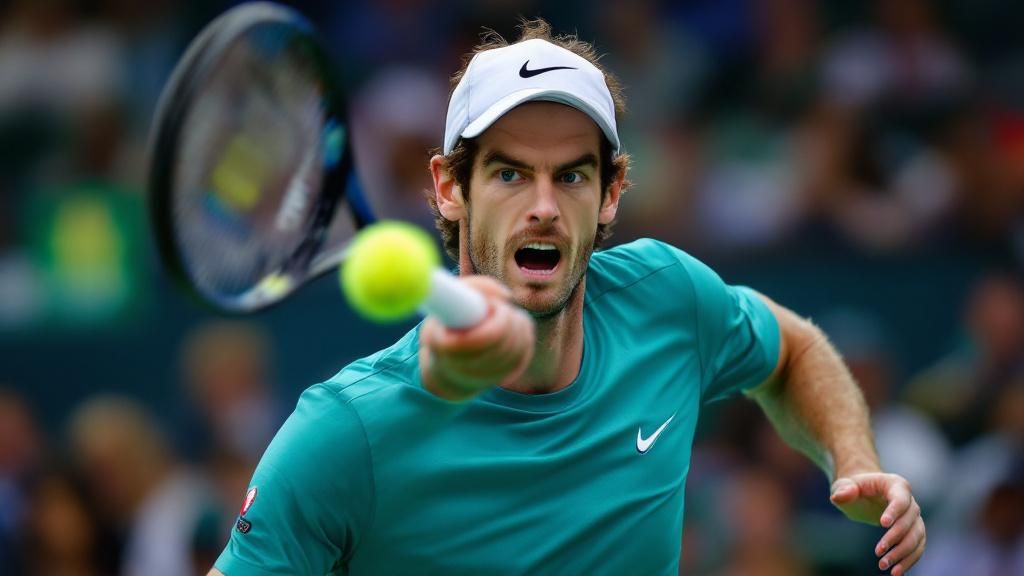
Andy Murray’s strategically designed comeback to professional tennis has disrupted the British athletics hierarchy, signalling a possible resurgence for the nation’s most successful player. Following his major surgical procedure, Murray’s calculated comeback to competitive play promises to reconfigure the state of British tennis, motivating a younger cohort whilst reviving hopes of more Grand Slam triumphs. This article examines how his measured approach to competitive play is shaping grassroots growth, nurturing young players, and establishing Britain as a competitive powerhouse in global tennis.
The Champion’s Return
Andy Murray’s re-entry into professional sport signifies considerably more than a personal achievement; it demonstrates perseverance and fortitude that echoes across British athletics. After enduring a career-threatening hip operation, many doubted if the three-time major winner would ever return to top-level competition. His decision to stage a comeback, however, showcases resolute devotion to his craft and an indomitable spirit that has defined his competitive life. The athletics fraternity watches with genuine intrigue as Murray tackles this transformative period, demonstrating that age and physical setbacks need not shape an athlete’s direction or competitive ambitions.
The ramifications of Murray’s calculated reentry go far past his individual performance on court. His presence in professional tournaments reinvigorates British tennis, delivering a clear illustration of determination to younger players facing their own obstacles. Moreover, his resurgence tale offers crucial guidance in psychological strength and physical rehabilitation, setting new benchmarks for career longevity. As Murray returns to competition, he concurrently guides the emerging generation, forging a bridge between established excellence and emerging talent that strengthens the entire British tennis ecosystem.
Impact on Tennis Development in Britain
Murray’s return to professional competition has sparked substantial progress within the British tennis system. His involvement in major tournaments enhances the tennis profile across Britain, attracting greater funding in youth development programmes and coaching centres. The ripple effects extend beyond top-level competition, encouraging grassroots participation and encouraging national organisations to focus on talent identification and support structures for up-and-coming British talent.
Coaching and Guidance
Beyond his courtside displays, Murray has assumed an increasingly prominent coaching position within the UK tennis sector. His willingness to share expertise acquired through performing at the highest level offers essential support to emerging talent navigating their own professional paths. This casual mentoring influence complements established programmes, delivering useful knowledge into tournament preparation, psychological strength, and handling career demands.
Murray’s availability to emerging talent signals a break with traditional hierarchies within professional sport. By collaborating with talented emerging athletes, he shows dedication to the advancement of British tennis. His guidance stretches beyond technical instruction, including career development, sponsorship negotiations, and psychological techniques essential for maintaining sustained competitive performance on the international stage.
- Provides expert advice on event choice and scheduling
- Shares mental resilience methods built over career
- Facilitates connections to training and support staff networks
- Demonstrates professional standards through reliable dedication
- Encourages balanced approach between ambition and personal wellbeing
Competitive Performance and Rankings
Murray’s re-entry into competitive tennis has demonstrated remarkable resilience, with his statistical indicators revealing a player determined to reclaim his standing among the sport’s top players. Despite the constant physical pressures of professional competition, his ranking trajectory has progressively advanced, showcasing his technical proficiency and mental fortitude. His successes against recognised opponents have reignited discussions about his potential to contend for championship victories, whilst at the same time offering valuable data on his recovery progress and tournament fitness.
The deliberate strategy of Murray’s event choices has been crucial in overseeing his recovery whilst preserving competitive edge. By thoughtfully juggling high-level competition with adequate recovery periods, he has optimised his competitive progression without undermining lasting viability. His achievements have energised British tennis enthusiasts and analysts alike, demonstrating that age and previous injury need not reduce a competitor’s drive or accomplishments at the highest echelons of elite competition.
Upcoming Opportunities and Impact
Andy Murray’s calculated comeback to professional competition has substantially reshaped views on what defines a accomplished tennis trajectory. His measured approach demonstrates that longevity and purposeful competition can function alongside bodily constraints, providing meaningful guidance to aspiring athletes worldwide. The ripple effects of his resurgence extend beyond private accomplishment; Murray’s involvement in professional tennis energises British tennis infrastructure, generating investment and media attention formerly channelled in different directions. His effect on the next generation exemplifies how accumulated knowledge and perseverance surpass traditional career paths, creating updated measures for competitive determination.
Looking forward, Murray’s legacy will undoubtedly include more than tournament victories and ranking positions. His dedication to developing up-and-coming British competitors has established a sustainable pathway for the future generation of competitors seeking international prominence. By balancing competitive ambitions with mentoring obligations, Murray has positioned himself as both competing player and custodian of British tennis’s future. This combined position reinforces the nation’s competitive foundation whilst ensuring his considerable expertise benefits the sport long after his final competitive appearance, cementing his status as pivotal force within British sporting history.
