
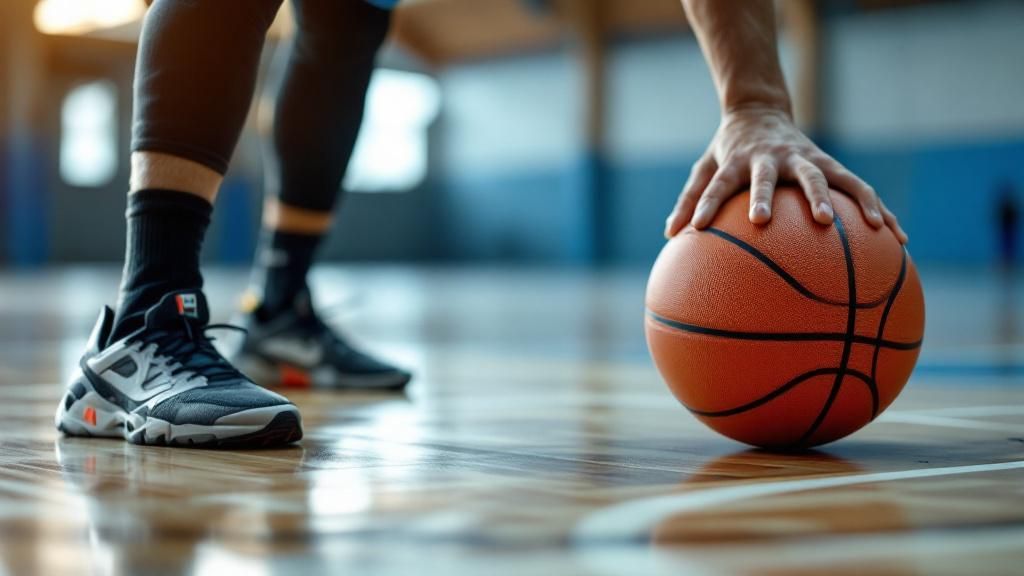
Basketball players deal with unrelenting physical challenges that risk shortening their careers before their time. However, introducing research-supported injury prevention strategies can markedly increase an athlete’s time on the court. This article explores the most effective techniques—from focused conditioning work and range-of-motion exercises to appropriate recuperation strategies and movement assessment—that help players protect themselves from frequent damage. Discover how experienced and developing athletes alike are leveraging these established techniques to extend their competitive careers and sustain optimal fitness across their playing lives.
Importance of Injury Prevention in The Sport of Basketball
Basketball ranks among one of sport’s most physically demanding disciplines, demanding explosive movements, quick shifts in direction, and continuous cardiovascular demand. The repetitive nature of practice and competitive play places considerable strain on players’ joints, muscles, and connective tissues. Without proper injury prevention measures, athletes may sustain acute injuries or chronic conditions that can end early promising careers. Adopting preventative approaches allows players to preserve their bodily condition whilst continuing to perform at top-tier standards throughout their time as professional athletes.
The monetary consequences of basketball injuries reach past individual athletes to include entire franchises and clubs. Teams miss out on talented players when key players experience prolonged injury setbacks, influencing performance, revenue, and future business strategy. Treatment expenditures, rehabilitation costs, and diminished performance represent considerable outlays that clubs must cover. By emphasising preventative injury strategies, organisations show dedication to athlete welfare whilst maintaining their competitive interests and financial stability. This combined advantage makes prevention strategies economically prudent for all stakeholders involved.
Career durability directly correlates with an athlete’s capacity to prevent significant injuries that undermine physical capabilities. Players who sustain peak conditioning, flexibility, and biomechanical efficiency experience longer careers and higher earning capacity. Injury prevention strategies allow athletes to take control of their physical wellbeing rather than treating injury as an unavoidable result of participation. This forward-thinking approach significantly changes how contemporary basketball athletes tackle their professional growth and professional development strategies.
Primary Conditioning and Strength Training Approaches
Comprehensive conditioning forms the foundation of injury prevention in basketball. Players must establish thorough strength training programmes that address stabiliser muscles around vulnerable joints, notably the ankles, knees, and shoulders. Incorporating eccentric exercises—where muscles extend whilst under load—remains especially beneficial for minimising ligament injuries. Incremental resistance work, combined with plyometric work, strengthens muscle durability and proprioception. Coaches should introduce periodised training cycles that combine intensity with proper recovery, guaranteeing athletes develop durability without overtraining. This systematic method significantly reduces injury risk whilst sustaining competitive performance levels.
Sport-specific training exercises must simulate the dynamic movements basketball requires. Lateral agility work, dynamic plyometric work, and multi-directional running patterns equip the body for competitive play. Core stability work merits focused effort, as a robust core improves balance, reduces compensatory movements, and guards against lower back injuries. Functional training that reproduces game scenarios—such as rapid deceleration and agility transition drills—strengthens neuromuscular coordination. Embedding these methods into standard training plans allows athletes to establish physical resilience systematically, enabling longer, healthier careers whilst sustaining the explosive capability crucial to basketball excellence.
Recovery Approaches and Optimal Practices
Optimal recovery is critical to injury prevention and career longevity in basketball. Professional athletes understand that the time spent recovering is equally important as training itself. Implementing structured recovery protocols—including sufficient rest, nutritional intake, and strategic rest days—allows the body to restore tissue integrity and strengthen tissues. Players who focus on recovery experience enhanced athletic output, fewer injuries, and improved psychological strength. By treating recovery as a key element of their training regimen rather than a inactive process, basketball players can maintain their competitive edge whilst reducing injury potential throughout their careers.
- Ice baths decrease inflammatory response and speed up muscle repair successfully.
- Foam rolling enhances range of motion and eases muscle tightness daily.
- Proper sleep supports tissue regeneration and mental performance.
- Massage therapy improves blood flow and reduces muscle soreness.
- Balanced nutrition refills energy reserves and facilitates repair.
Integrating these recovery methods into a thorough injury prevention strategy requires sustained effort and reliability from athletes and coaching staff alike. Modern basketball programmes increasingly employ sports scientists and physiotherapists who design personalised recuperation programmes suited to each player’s specific needs and injury history. By assessing recovery markers such as heart rate variability and sleep quality, teams can enhance training loads and prevent overtraining. This information-led strategy to recovery demonstrates that sustaining career length depends not solely on preventing injuries, but on optimising the body’s potential for restoration and modification.
