
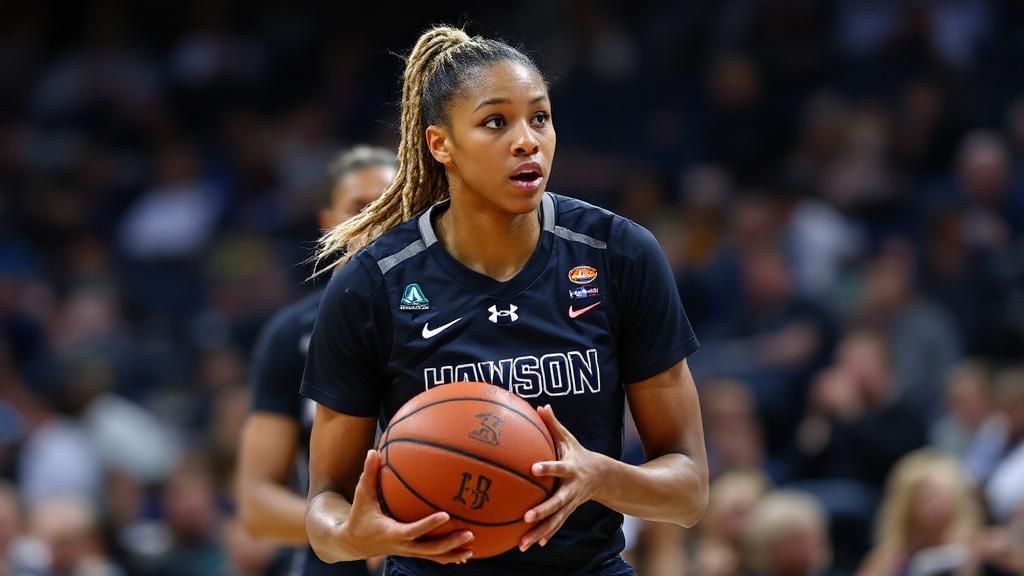
The inaugural women’s basketball tournament has exceeded all expectations, attracting record-breaking attendance to venues throughout Britain and rewriting the record books in the process. From sold-out arenas to standing-room capacity audiences, the competition has seized the public imagination like never before. This article examines the exceptional turnout statistics, examines which venues experienced the greatest footfall, and analyses the drivers fuelling this exceptional increase in fan engagement—marking a transformative moment for women’s sport in Britain.
Unprecedented Attendance Figures
The women’s basketball tournament has gone beyond all projections, with total attendance numbers reaching unprecedented levels across the nation. Organisers projected approximately 150,000 spectators throughout the competition; however, final tallies surpassed this estimate by a remarkable margin. Several venues sold out weeks in advance, whilst others implemented additional seating arrangements to cater for the overwhelming demand. This exceptional participation demonstrates a fundamental shift in public view regarding women’s professional sport and validates the resources devoted to advancing competitive women’s basketball at the elite level.
Individual match attendance records were consistently shattered across the entire tournament. The semi-final encounter saw 8,500 spectators, establishing a fresh record in women’s basketball in the United Kingdom. Multiple venues reported their biggest attendances in living memory, with some arenas exceeding their usual capacity levels. The regular sell-outs throughout different regions indicate that enthusiasm for women’s basketball goes far further than traditional strongholds. This national reach points to authentic countrywide appeal rather than isolated pockets of support, underlining the tournament’s significance.
The uptick in attendance shows broader cultural momentum across women’s athletics in Britain. Media coverage, digital engagement, and grassroots promotion initiatives have jointly driven increased visibility and availability. Pricing approaches, implemented to encourage participation from diverse socioeconomic backgrounds, have proven to effectively expanded the fanbase. The tournament’s success demonstrates convincingly that significant audiences watch women’s athletic events when sufficient marketing resources and facilities are invested. These unprecedented figures establish a fresh benchmark for subsequent women’s basketball tournaments.
Fan Engagement and Venue Experiences
The tournament’s unprecedented attendance figures showcase far more than mere statistical success; they reveal a significant shift in how audiences participate in women’s basketball. Spectators travelled far and wide, taking families and friends to witness exciting games and recognise athletic excellence. The lively environment established throughout venues fostered real sense of community, with fans expressing enthusiasm through coordinated chanting, creative signage, and ongoing encouragement throughout tournament fixtures, creating new benchmarks for audience involvement in women’s sports.
Upgraded Facilities and Services
Organisers understood that impressive visitor volumes required corresponding investments in facility infrastructure and spectator experiences. Modern facilities, including improved seating configurations, improved sightlines, and modern food and beverage facilities, ensured spectators experienced comfortable viewing experiences. Improved illumination technology and cutting-edge audio technology enhanced the competitive atmosphere, whilst inclusive amenities accommodated varied spectator needs. These wide-ranging enhancements positioned the event as a top-tier sporting showcase, promoting repeat attendance and favourable community feedback amongst the general population.
Beyond physical infrastructure, venues implemented creative supporter engagement initiatives that enhanced the overall experience. Engagement spaces, merchandise stalls, and personal meet-ups with athletes produced memorable moments for supporters. Digital integration through mobile applications delivered instant information, player information, and social media connectivity, enabling fans to participate actively in the tournament narrative. Family-oriented activities, including shows at half-time and dedicated children’s areas, guaranteed inclusion across all age groups and demographics.
- High-end hospitality packages featuring exclusive seating and dining facilities
- Interactive fan zones offering basketball engagement and skill demonstrations
- Inclusive facilities with wheelchair spaces and sensory-friendly spaces
- Live entertainment and live acts during match intervals and at half-time
- Branded merchandise outlets and player autograph sessions across the venue
The combined investment in improved infrastructure and fan experiences directly contributed to the tournament’s unprecedented attendance records. Venues that prioritised spectator comfort and interaction consistently reported higher attendance figures and remarkably positive input from spectators. This achievement shows that today’s sports enthusiasts demand complete experiences extending beyond competitive matches themselves, placing value on convenience, entertainment, and community connection alongside sporting prowess and competitive standards.
Impact on Women’s Basketball Expansion
The record-breaking attendance figures signify a watershed moment for women’s basketball in Britain. These unprecedented numbers demonstrate considerable audience interest for top-tier women’s athletics, questioning long-held assumptions about spectator engagement. The tournament’s success has justified investment in women’s athletics and encouraged governing bodies to reconsider funding allocations. Press attention has grown considerably, bringing basketball to broader audiences not yet acquainted with the sport. This visibility establishes a virtuous cycle, encouraging participation at community level and inspiring young athletes to develop professional ambitions in basketball.
Sponsorship and business engagement have increased significantly following the tournament’s triumph. Leading corporations acknowledge the commercial opportunities of women’s basketball, with several corporations committing substantial resources to future events. This financial influx allows for better pay for athletes, enhanced infrastructure, and enhanced tournament organisation. The growing financial returns allow leagues to invest in athlete development initiatives and community-level programmes. Moreover, corporate backing establishes women’s basketball as a legitimate professional sport, elevating its status within the sports industry and attracting additional investment from institutional stakeholders seeking association with this expanding sector.
Looking forward, the tournament’s success establishes momentum for sustained growth in women’s basketball. Tournament organisers are already developing expanded formats and additional venues for upcoming competitions. Increased attendance and engagement suggest viable pathways for professional women’s basketball leagues to flourish commercially. The clear audience dedication and engagement provide confidence for extended planning initiatives and facility expansion. As player numbers increase and broadcast coverage expands, women’s basketball is positioned to become a cornerstone of British sports culture, inspiring generations of athletes and captivating audiences nationwide.
